
Hidden plumbing leaks are one of the most expensive problems a homeowner can face — especially in hot, hard-water regions like Phoenix and the surrounding East Valley. Small leaks often go unnoticed until they cause major damage to walls, flooring, cabinets, or foundations.
Professional leak detection uses specialized tools to locate leaks behind walls, under slabs, and underground — without unnecessary demolition. If you notice any of the warning signs below, it may be time to schedule a leak inspection.
This guide will help you recognize the early symptoms before a minor issue turns into a costly repair.
Why Early Leak Detection Matters
Undetected plumbing leaks can lead to:
- Structural damage
- Mold and mildew growth
- Higher water bills
- Foundation movement
- Cabinet and drywall rot
- Insurance claims and restoration costs
Catching leaks early dramatically reduces repair cost and disruption.
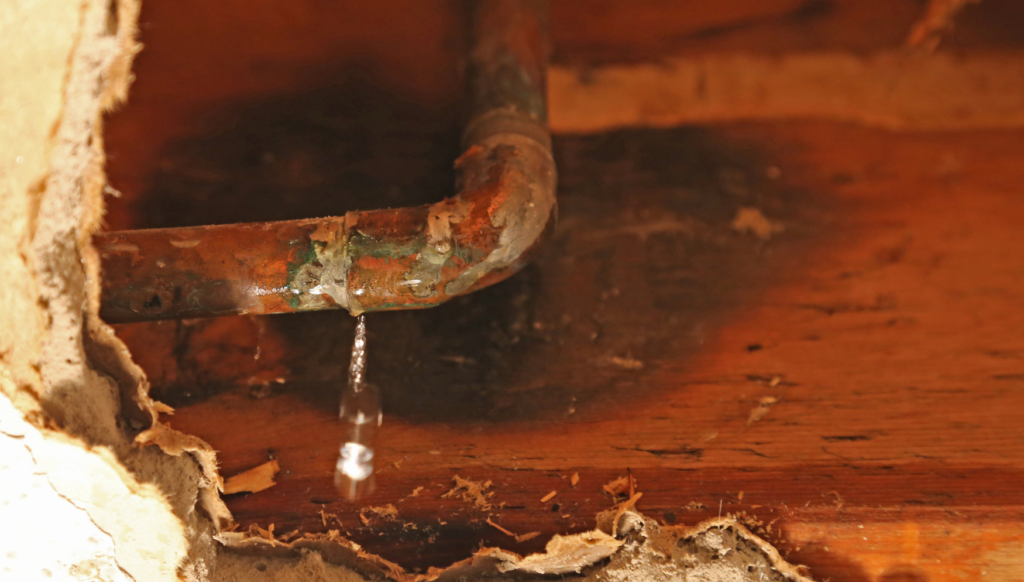
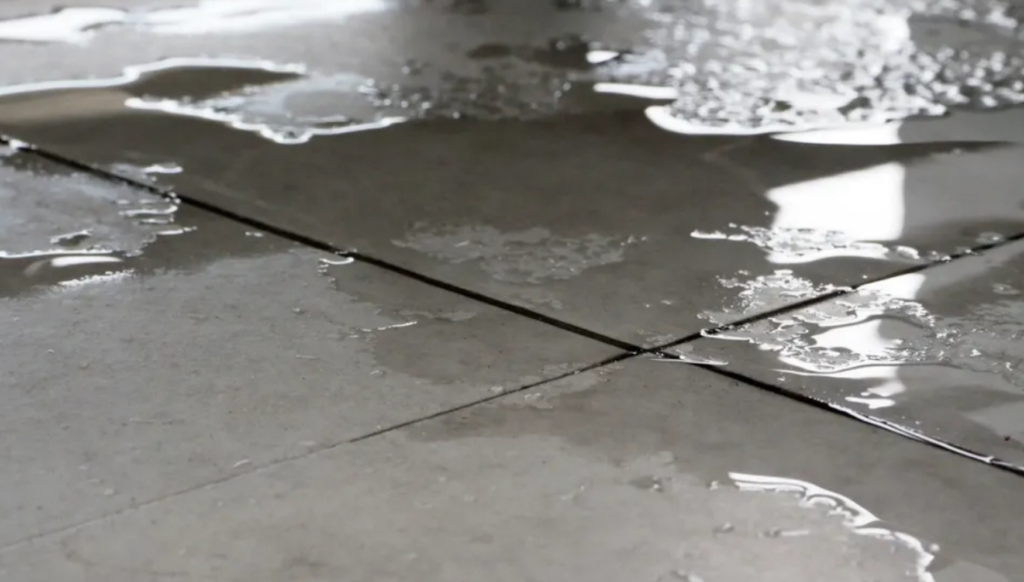
Top 10 Signs You May Have a Hidden Plumbing Leak
1️⃣ Your Water Bill Suddenly Increases
If your usage habits haven’t changed but your water bill has jumped, a hidden leak is a common cause. Even a small pinhole leak can waste hundreds of gallons per month.
2️⃣ You Hear Running or Dripping Water When Fixtures Are Off
If you hear water movement inside walls when no taps, toilets, or appliances are running, that’s a strong indicator of a concealed leak.
Listen for:
- Soft hissing
- Dripping sounds
- Faint rushing water
3️⃣ Warm or Damp Spots on Floors
This is especially important for slab-on-grade homes (very common in Arizona). A hot water line leak under the slab can create:
- Warm floor areas
- Damp carpet or tile grout lines
- Localized humidity
4️⃣ Musty Odors or Mold Smells
Persistent musty smells often point to hidden moisture. Mold can begin growing within 24–48 hours of a leak.
Check:
- Under sinks
- Inside cabinets
- Around baseboards
- In closets near plumbing walls
5️⃣ Stains on Walls or Ceilings
Yellow, brown, or copper-colored stains can indicate slow leaks inside walls or above ceilings.
Watch for:
- Bubbling paint
- Peeling drywall tape
- Warped texture
6️⃣ Low Water Pressure in One Area
A localized pressure drop — like one bathroom sink or shower — may indicate a line leak or pipe break before the fixture.
If the whole house has low pressure, the issue could be a larger supply leak.
7️⃣ Cracks in Foundation or Flooring
Long-term slab leaks can slowly shift soil and concrete, leading to:
- Hairline foundation cracks
- Tile separation
- Uneven flooring
Not all cracks mean leaks — but leaks can cause cracks.
8️⃣ Your Water Meter Moves When No Water Is Running
A simple homeowner test:
- Turn off all fixtures and appliances
- Check your water meter
- Wait 10–15 minutes
- Check again
If the meter reading changed, water is flowing somewhere — possibly from a hidden leak.
9️⃣ Recurring Drain or Pipe Issues in the Same Area
If you keep having plumbing problems in the same wall, floor, or yard section, there may be a deeper underlying leak or pipe failure.
Recurring symptoms are rarely coincidence.
🔟 Wet Spots in the Yard With No Irrigation Running
Underground service line leaks can show up as:
- Unusually green patches
- Soggy soil
- Sink-in areas
- Constant dampness
This is often mistaken for irrigation problems but may be a main line leak.
How Professional Leak Detection Works
Modern leak detection is non-invasive and highly accurate. Methods may include:
- Acoustic listening devices
- Pressure testing
- Thermal imaging
- Electronic line tracing
- Video pipe inspection
These tools allow plumbers to pinpoint the leak location before opening walls or flooring — saving time and repair cost.
When to Call for Leak Detection
Schedule professional leak detection if you notice:
- Any combination of the signs above
- Sudden unexplained water usage
- Signs of slab moisture
- Ongoing mystery dampness
- Mold risk conditions
Early detection is almost always cheaper than delayed repair.
Leak Detection FAQ
Is leak detection worth it for small leaks?
Yes — small leaks often indicate bigger developing failures.
Can leaks really happen under concrete slabs?
Yes — slab leaks are common in warm-climate regions with shifting soil and mineral scale.
Will leak detection tear up my walls?
Professional detection is designed to avoid unnecessary demolition by locating the exact source first.
Not sure if you have a leak? We can help!
If you’re in Phoenix or the East Valley, our team can locate hidden leaks quickly and accurately — often without unnecessary wall or floor removal.
📞 Or call us at 480-653-2073